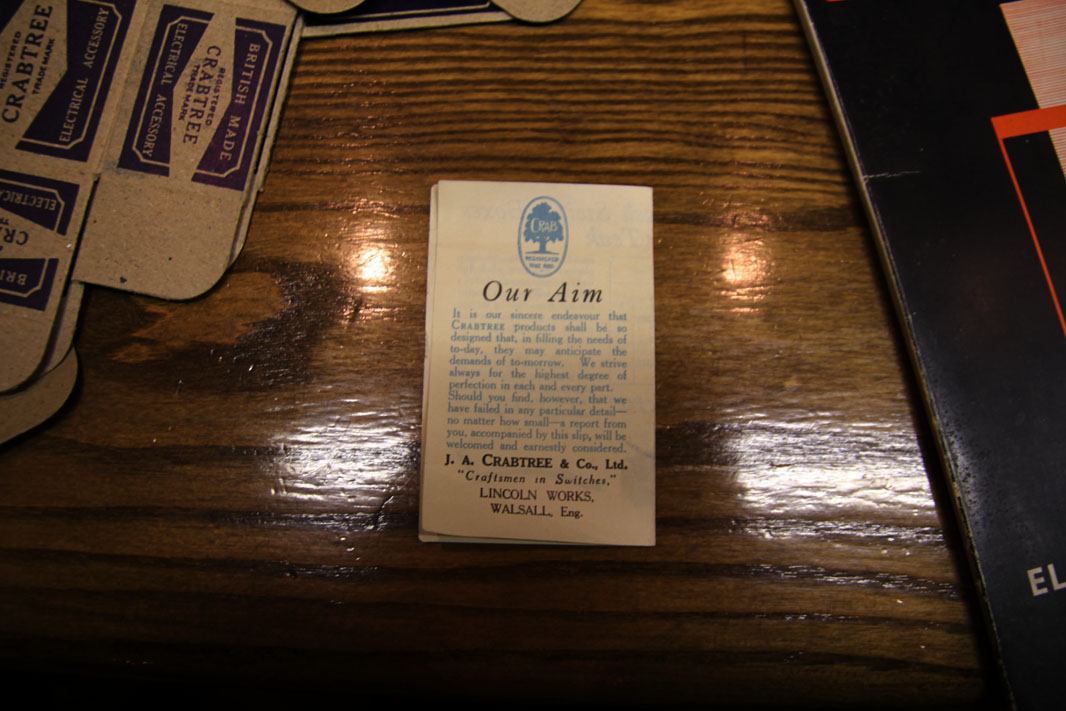
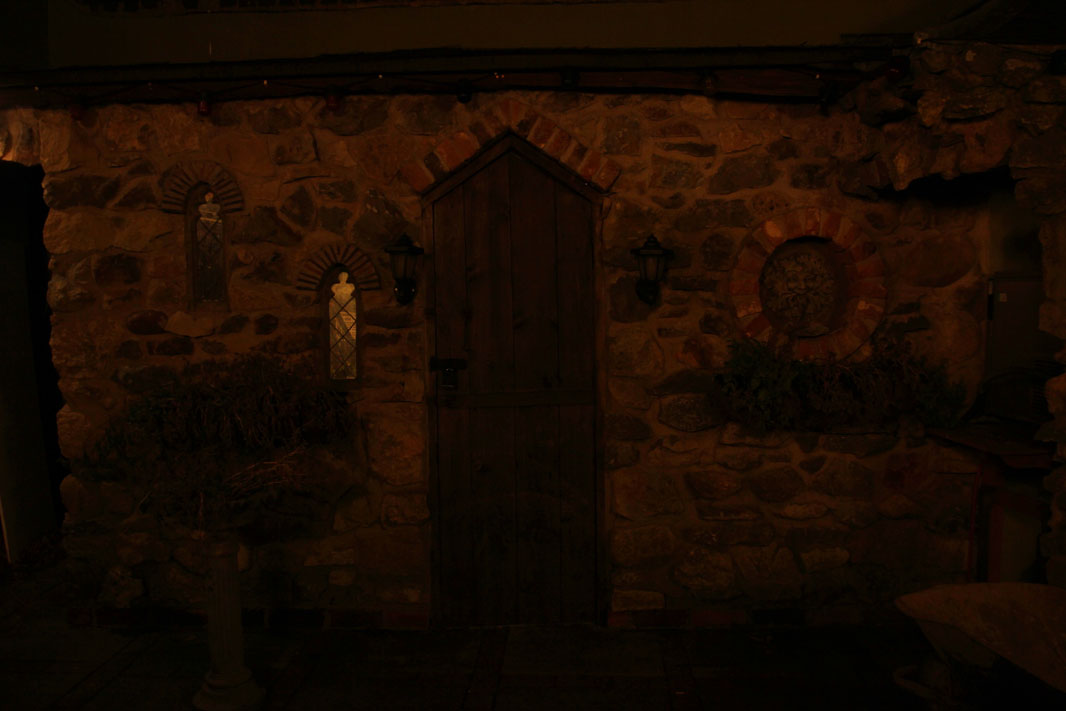
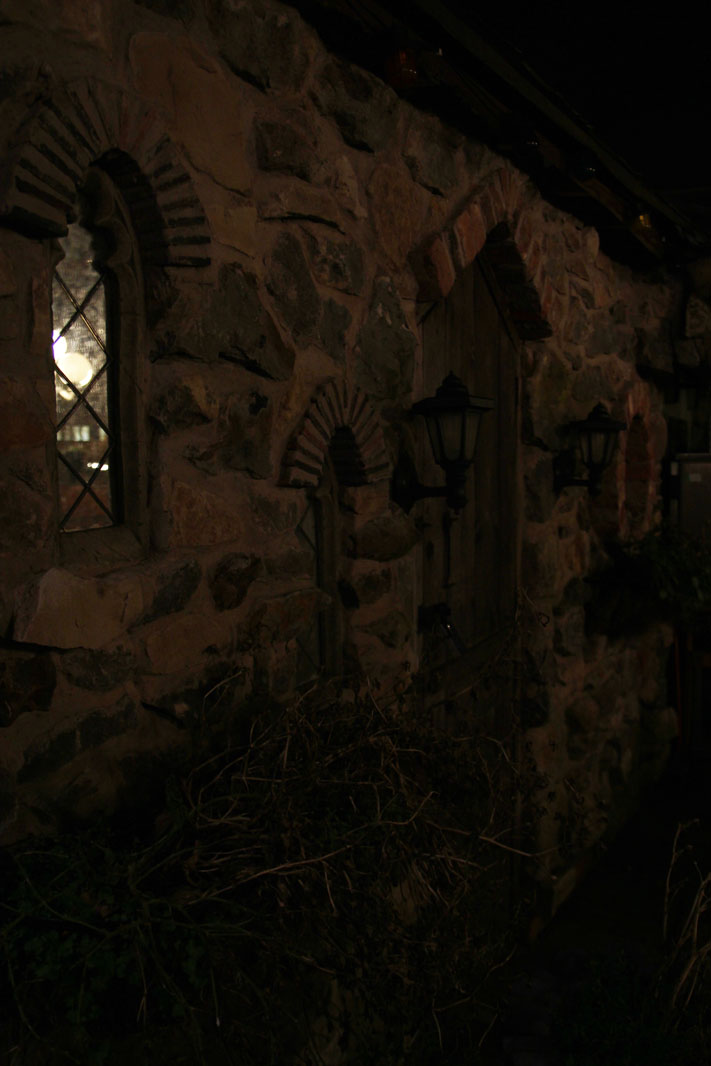
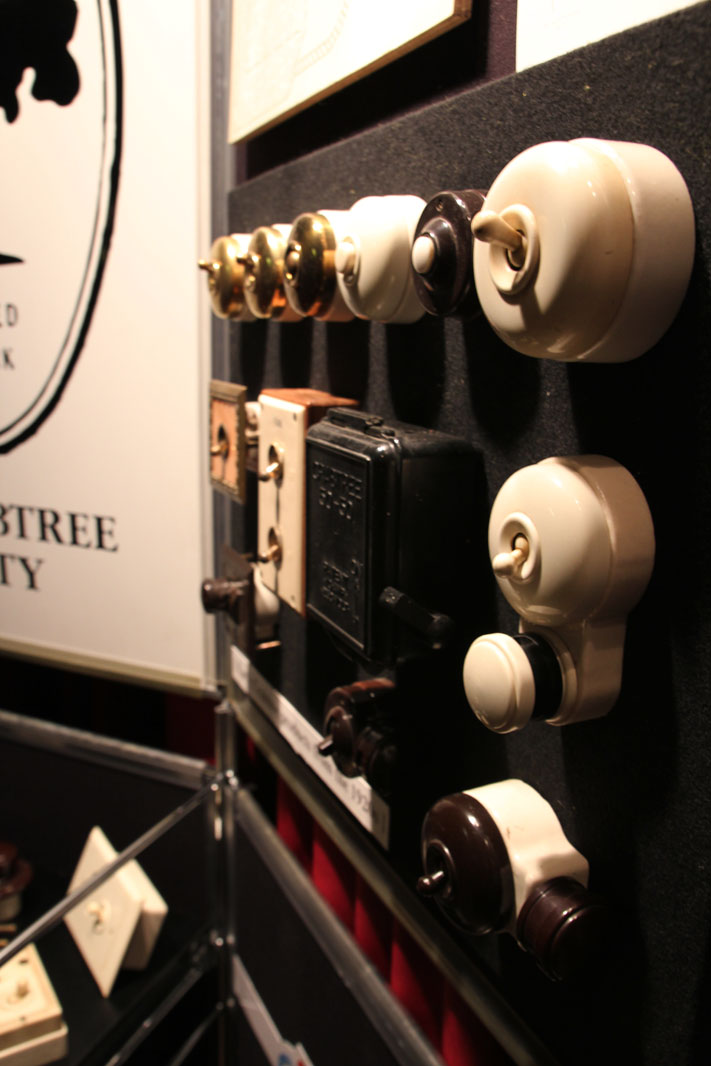
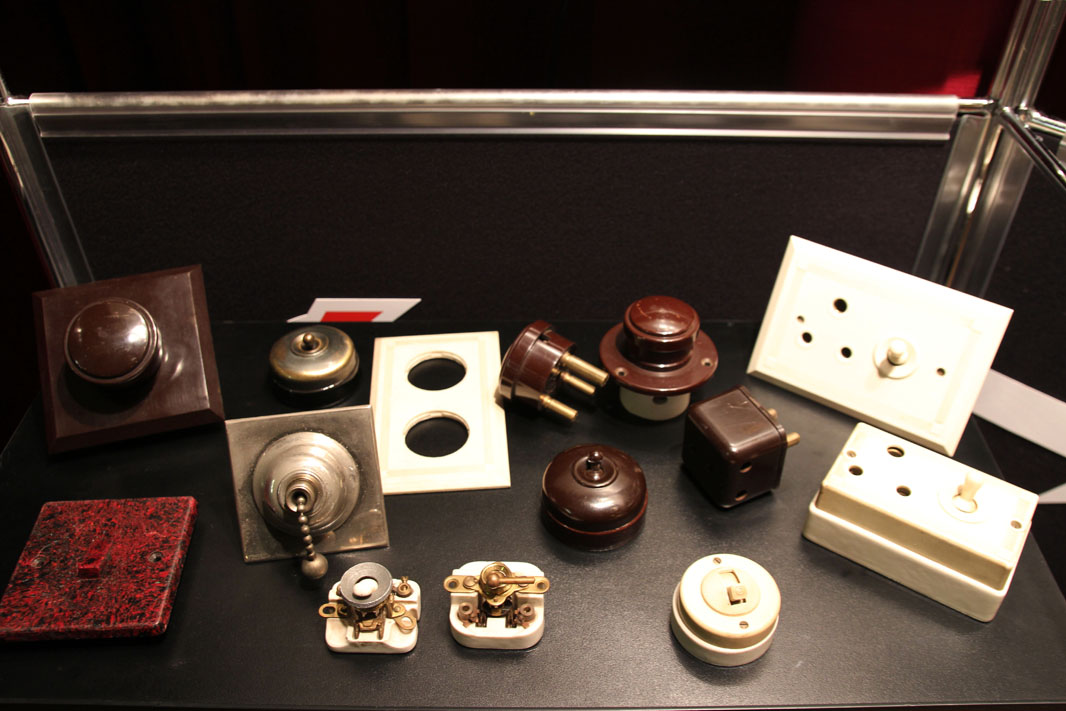
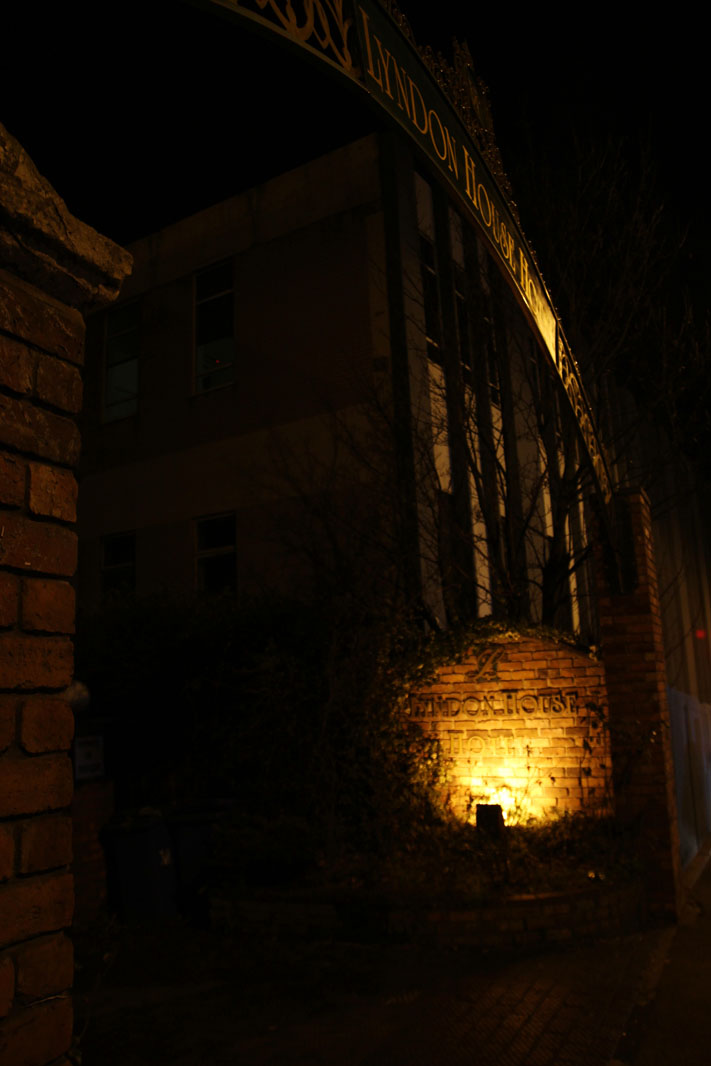
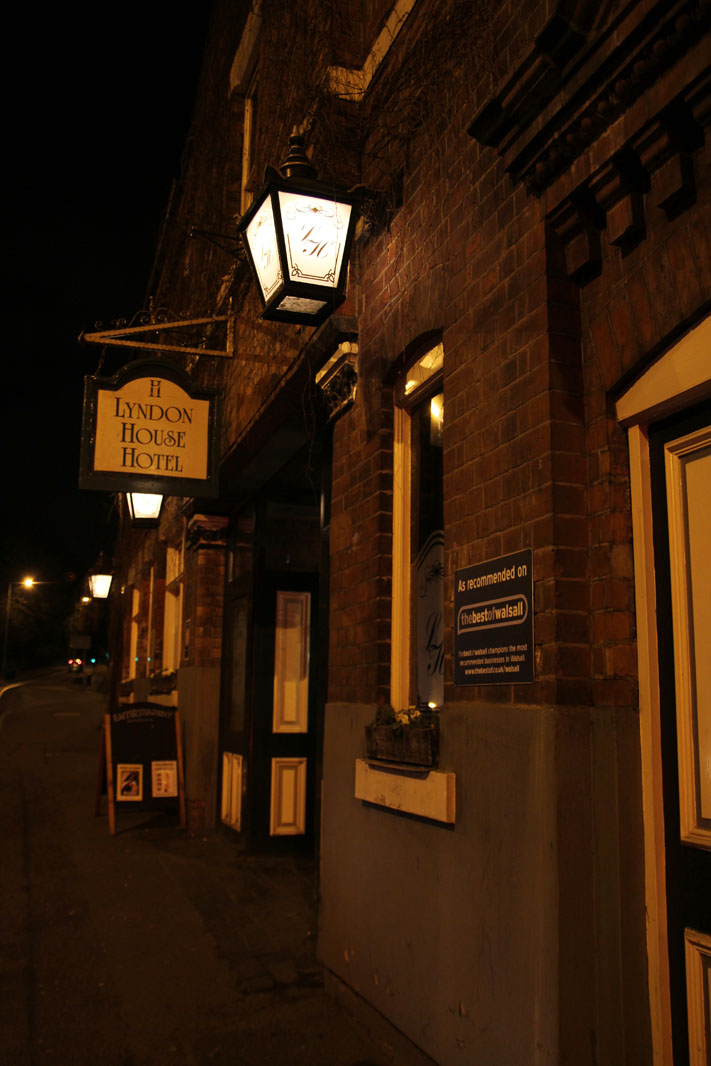
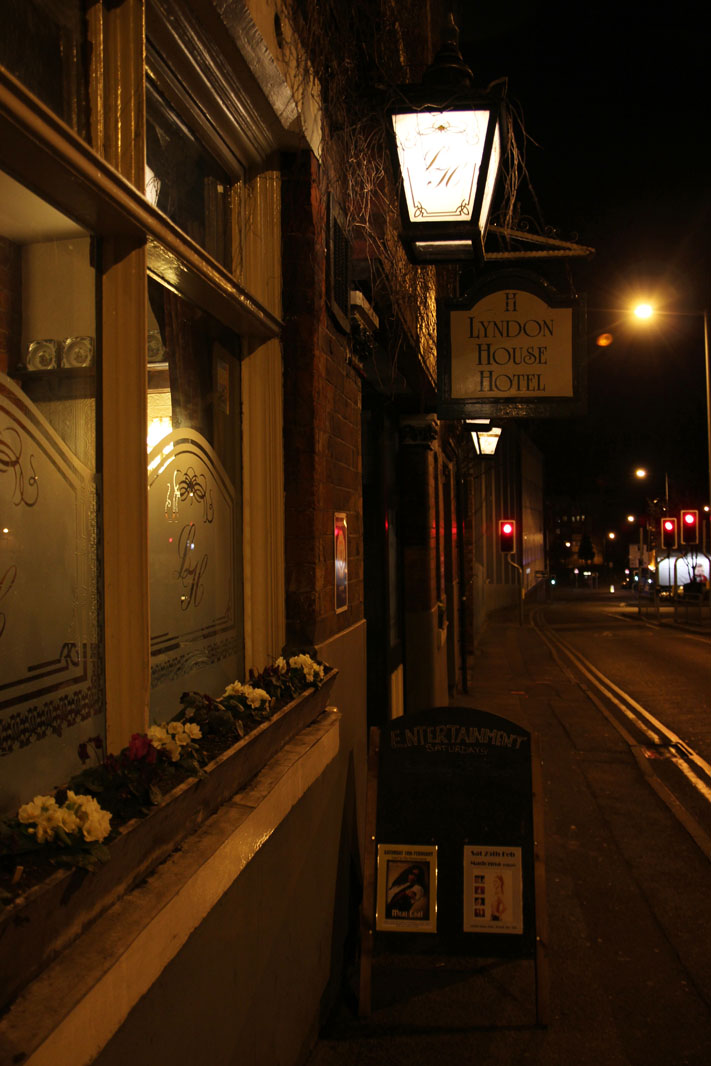
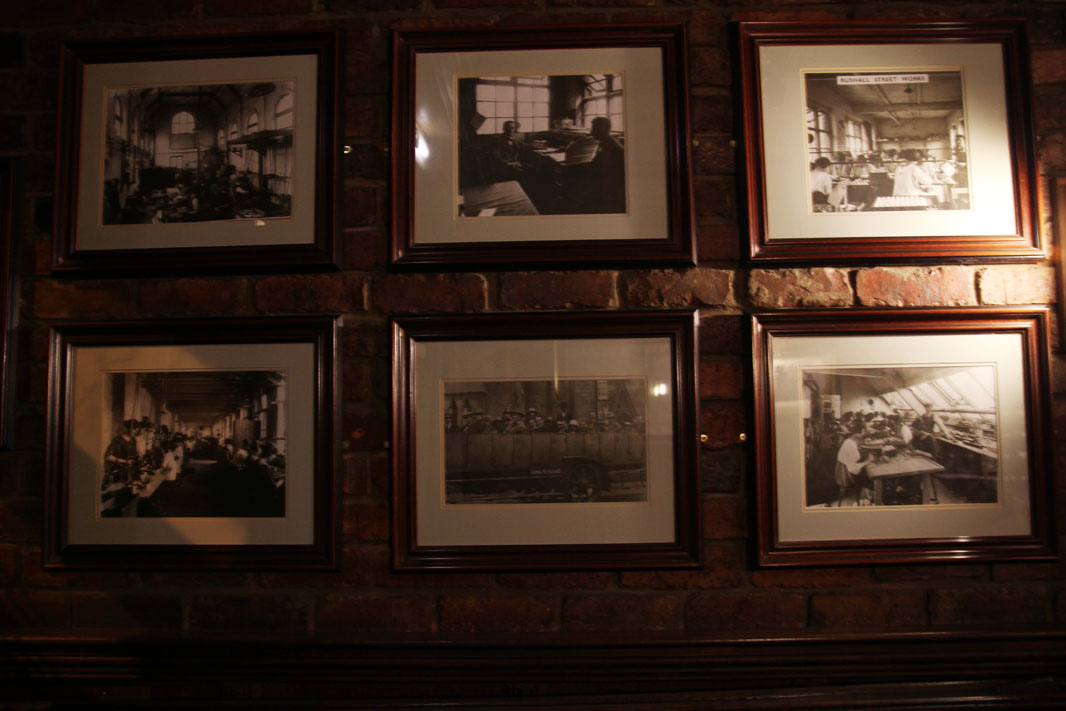
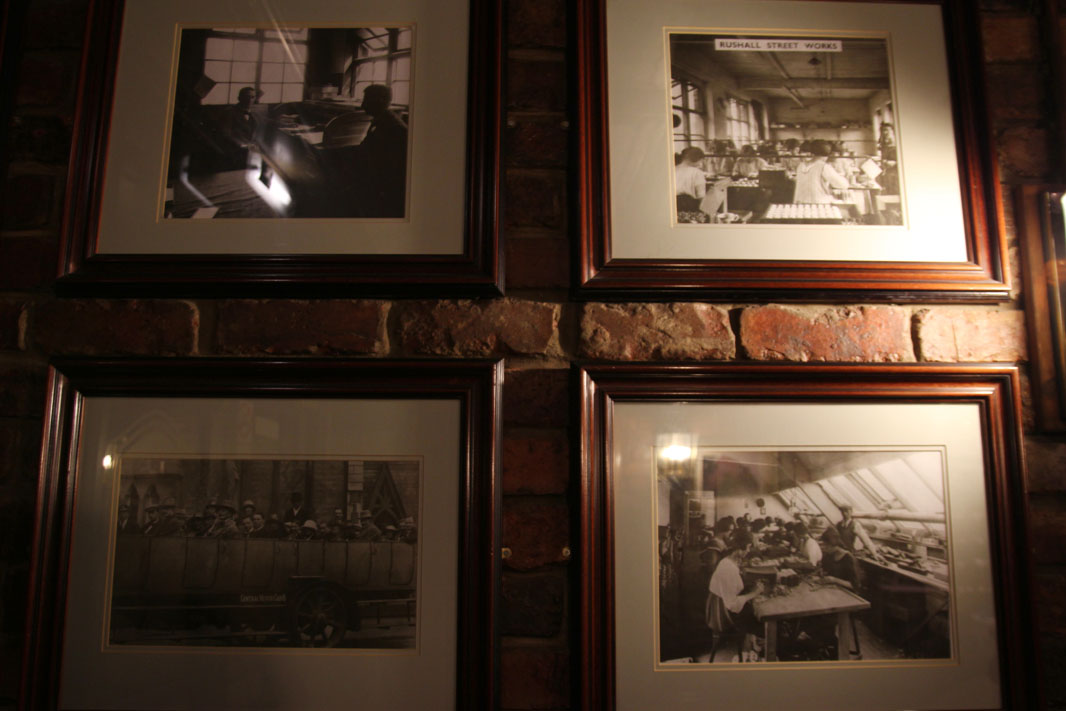
J.A.Crabtree & Co. Ltd., was at one time Walsall’s largest engineering company, the Factory was founded in 1919 by John Ashworth Crabtree at what is now Lyndon House Hotel. In its heyday in the mid-twentieth century the company was the largest private employer in the town. The company eventually closed its manufacturing base in Walsall in 1997.
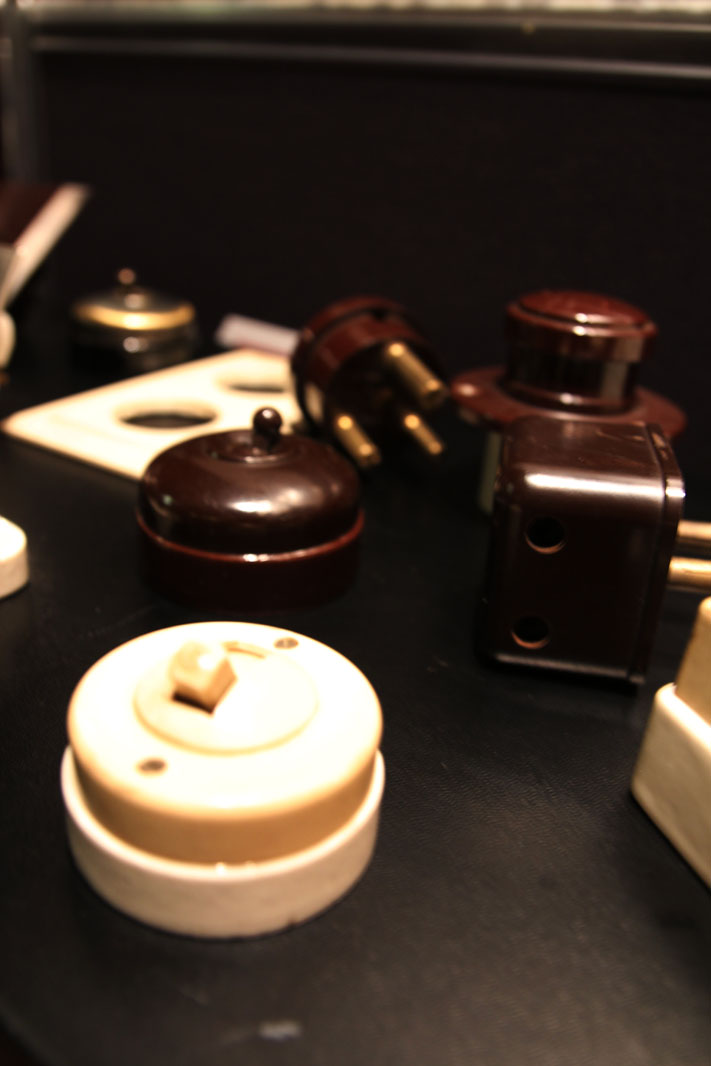
Crabtree manufactured light switches, sockets and other electrical fittings when electricity use was in its infancy, John Ashworth Crabtree designed and patented the first quick make and break switch which combined stylish design with cutting edge technology. Even today the Crabtree name continues to be a leading brand in the manufacture of electrical switch gear and fittings and Crabtree switches and sockets can be found in many homes throughout the world.
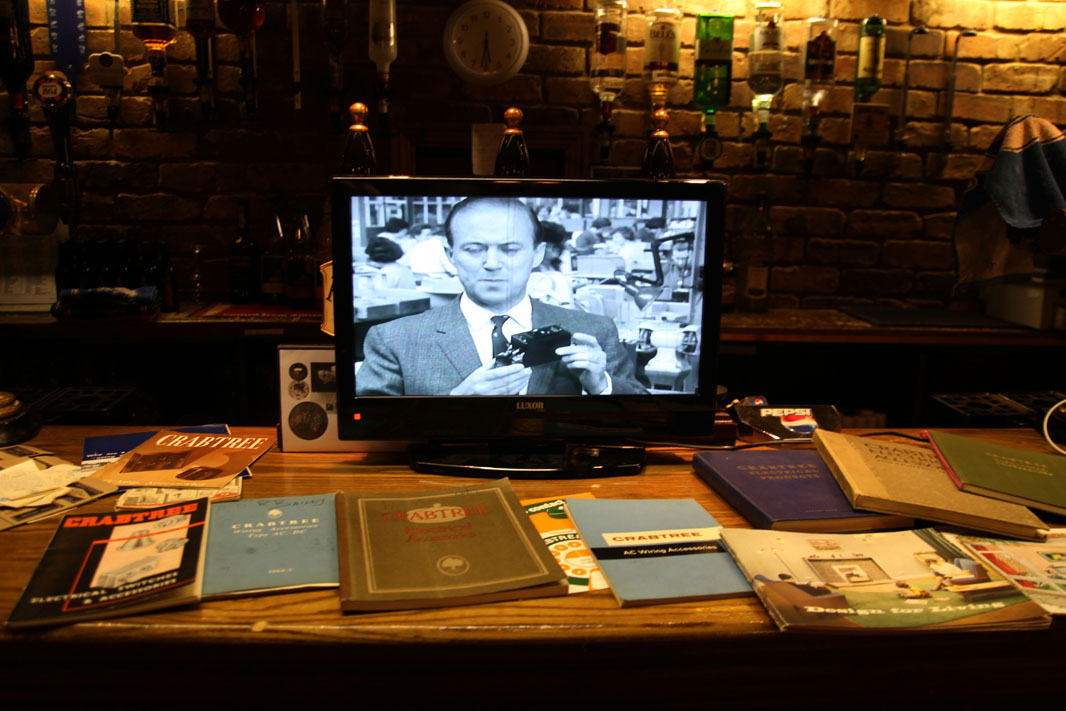
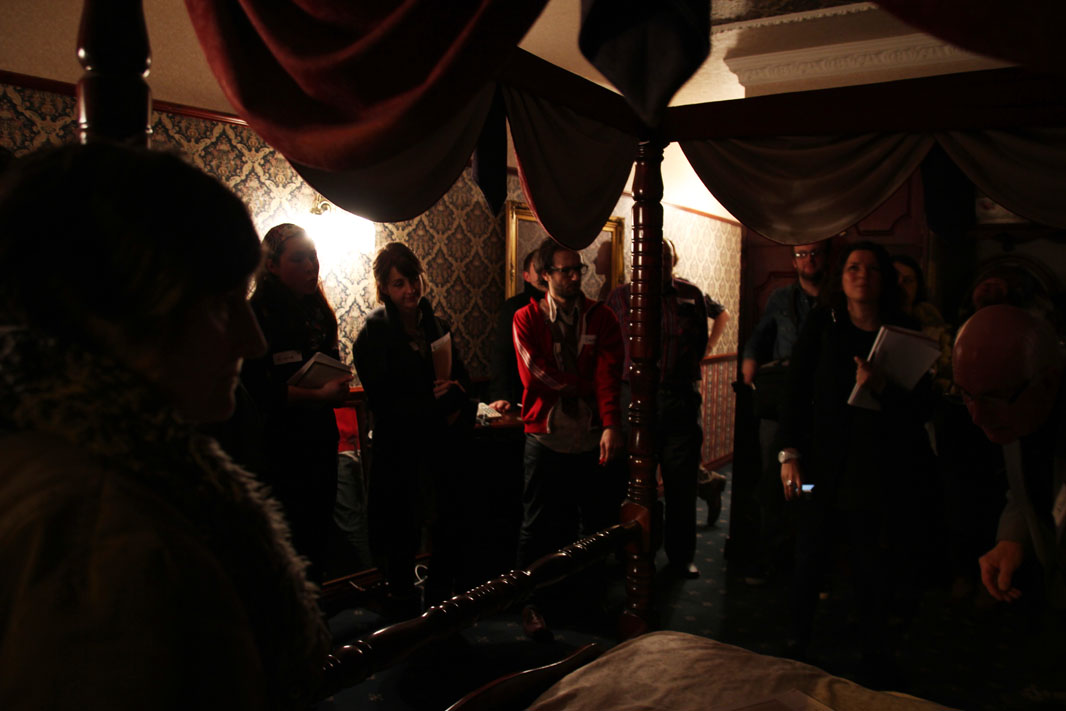
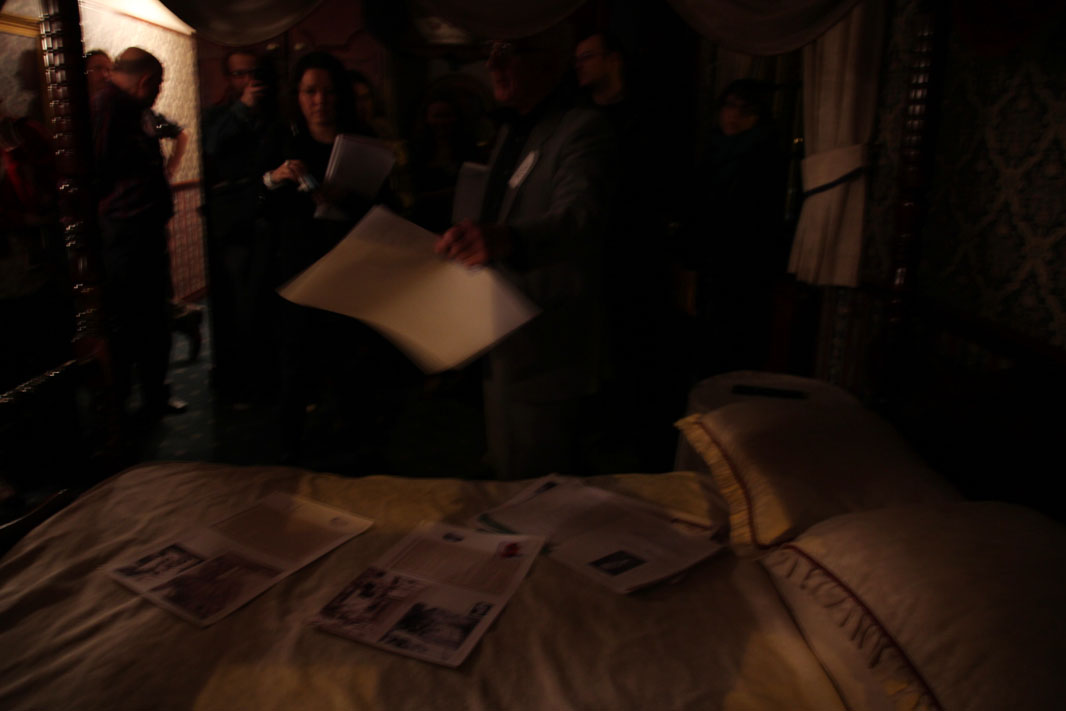
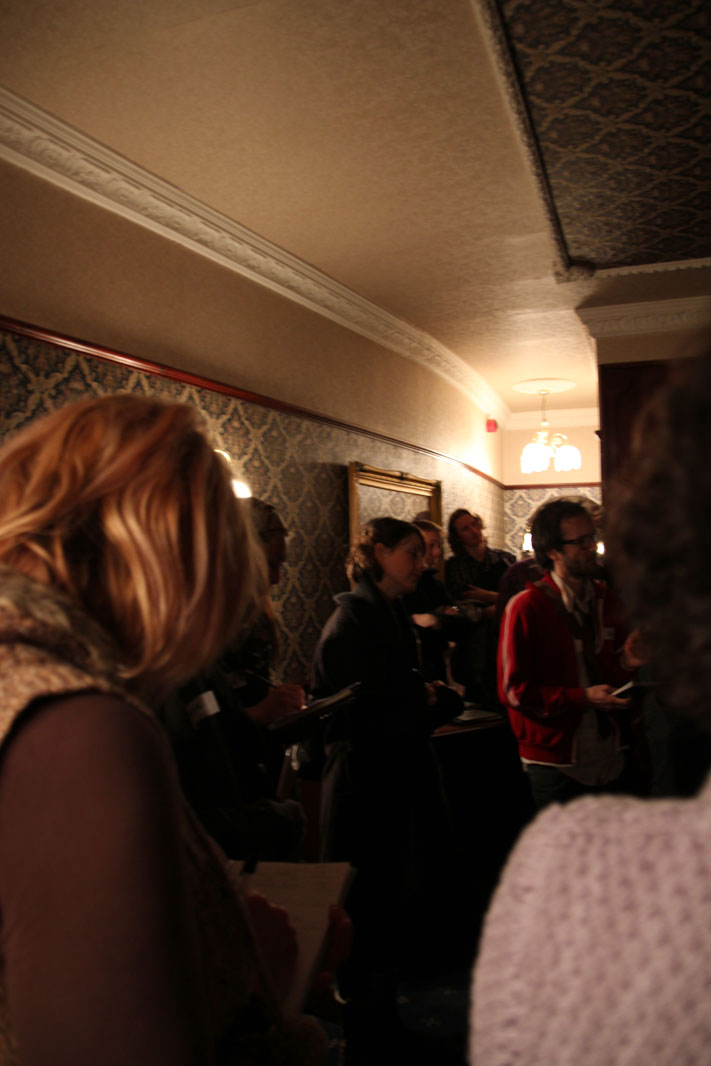
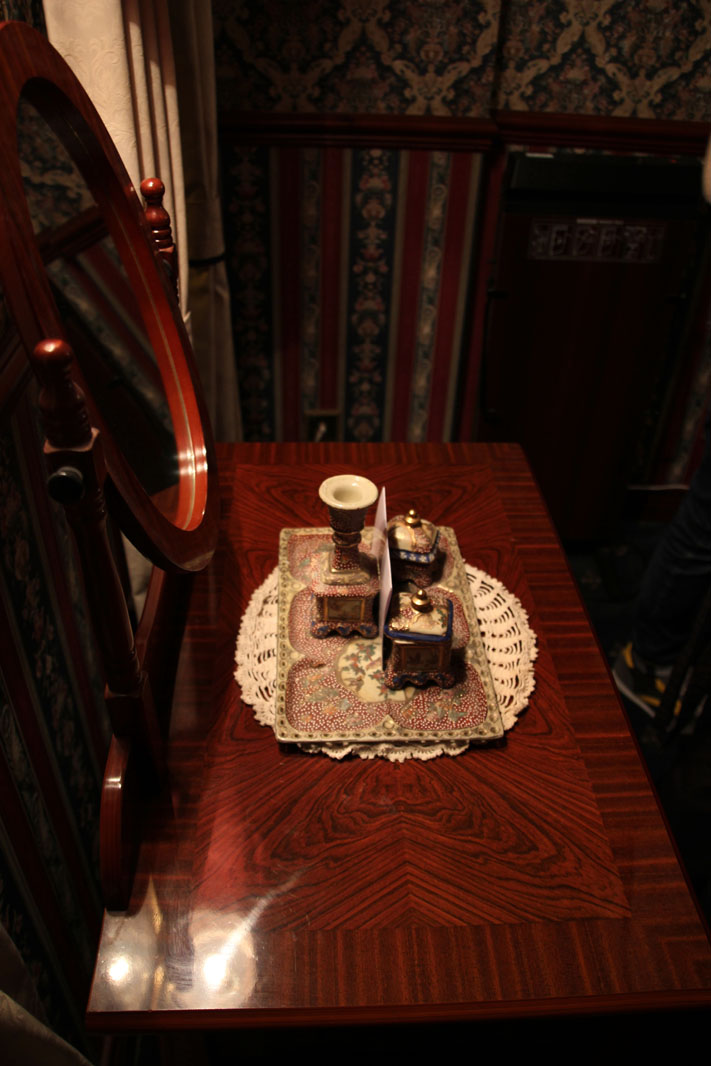
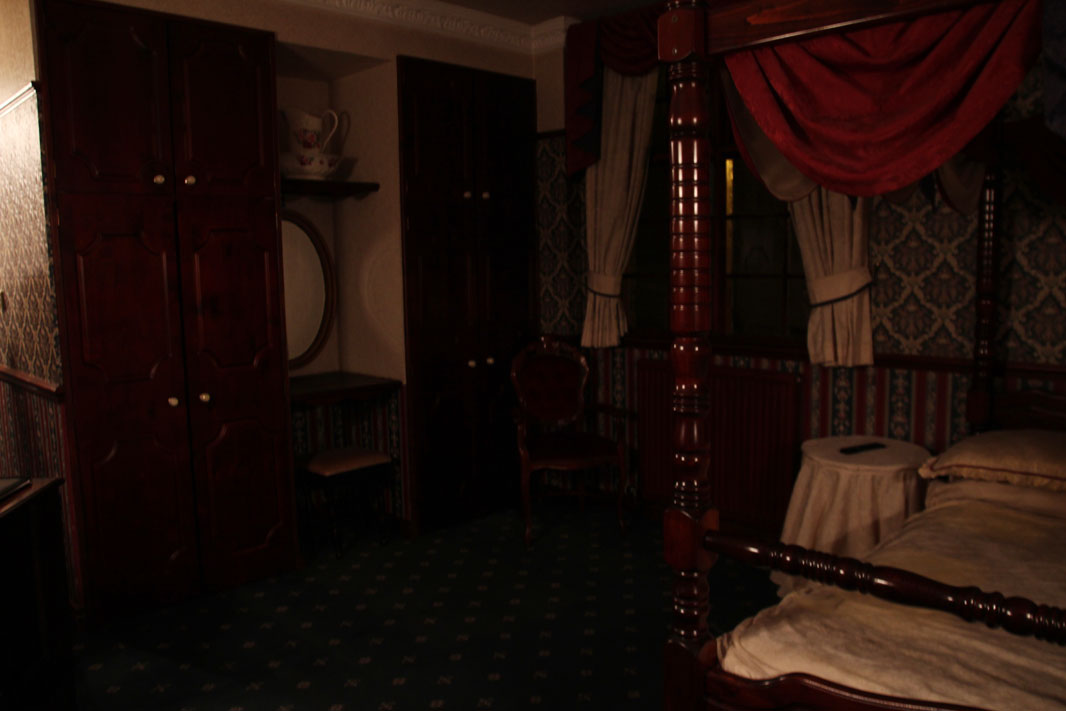
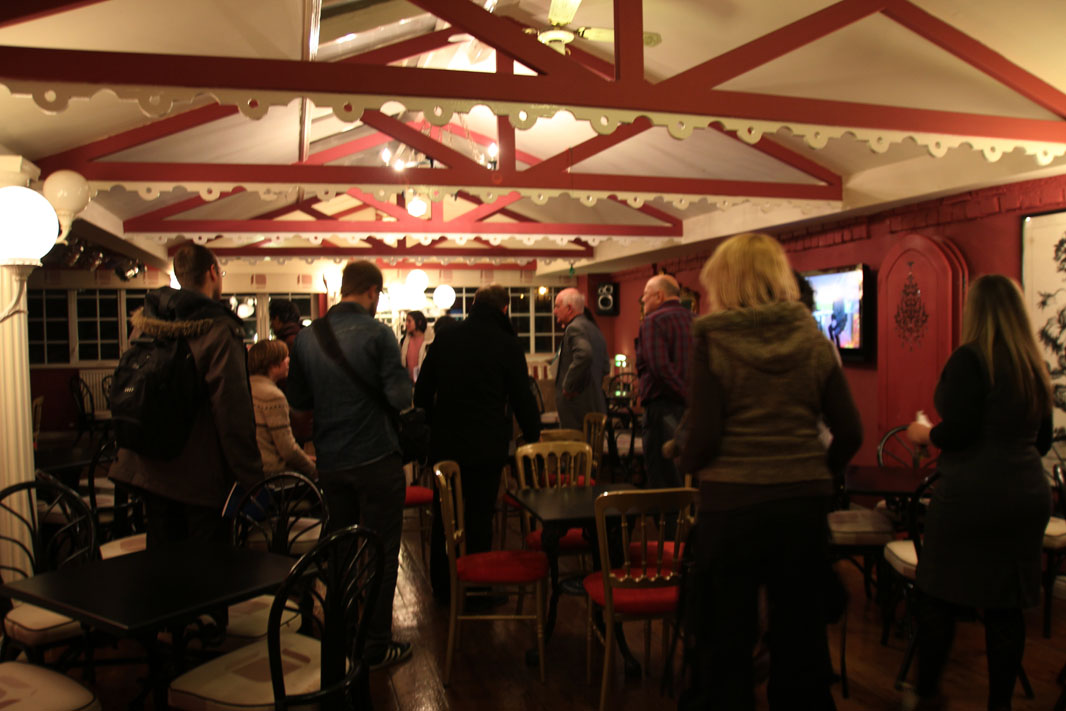
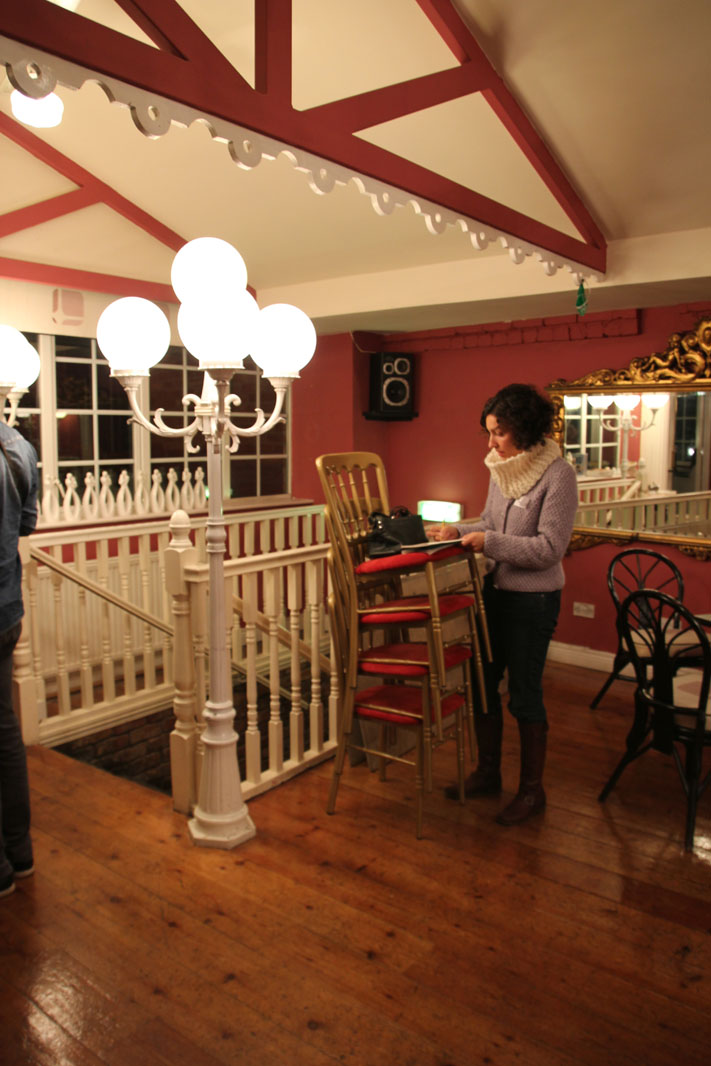
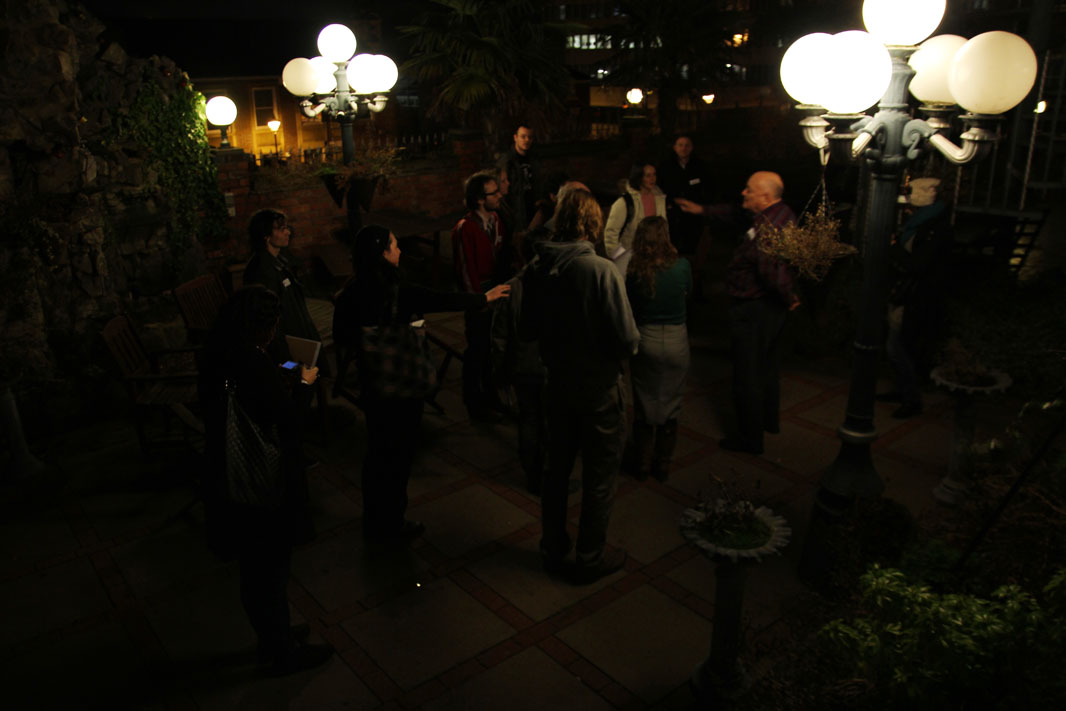
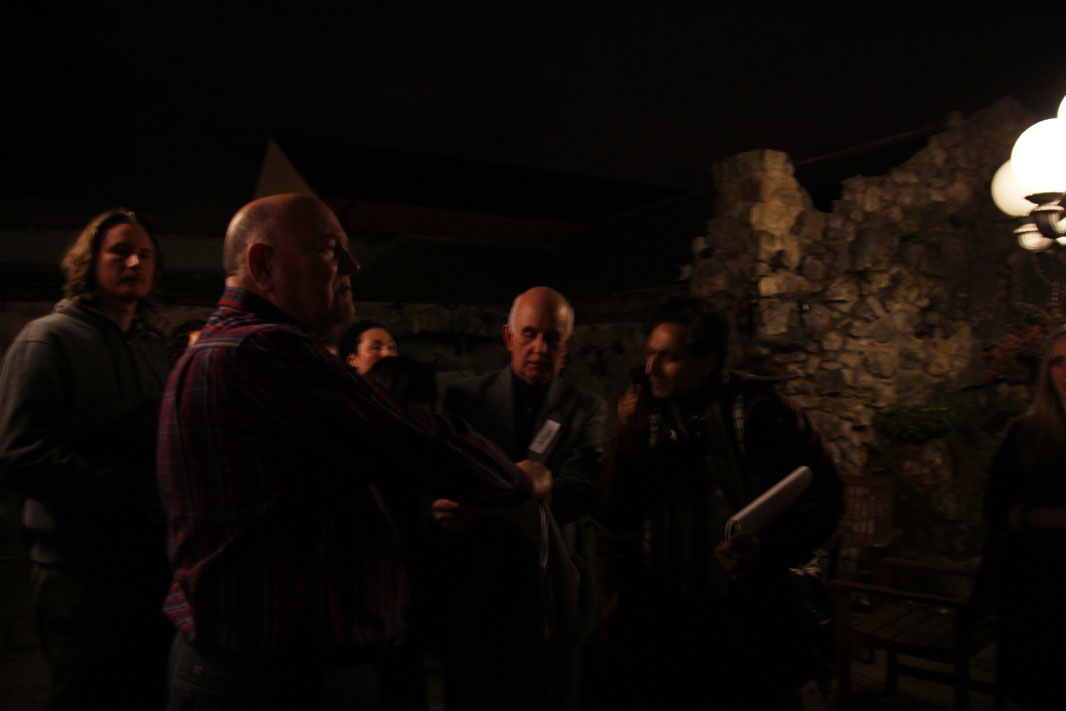
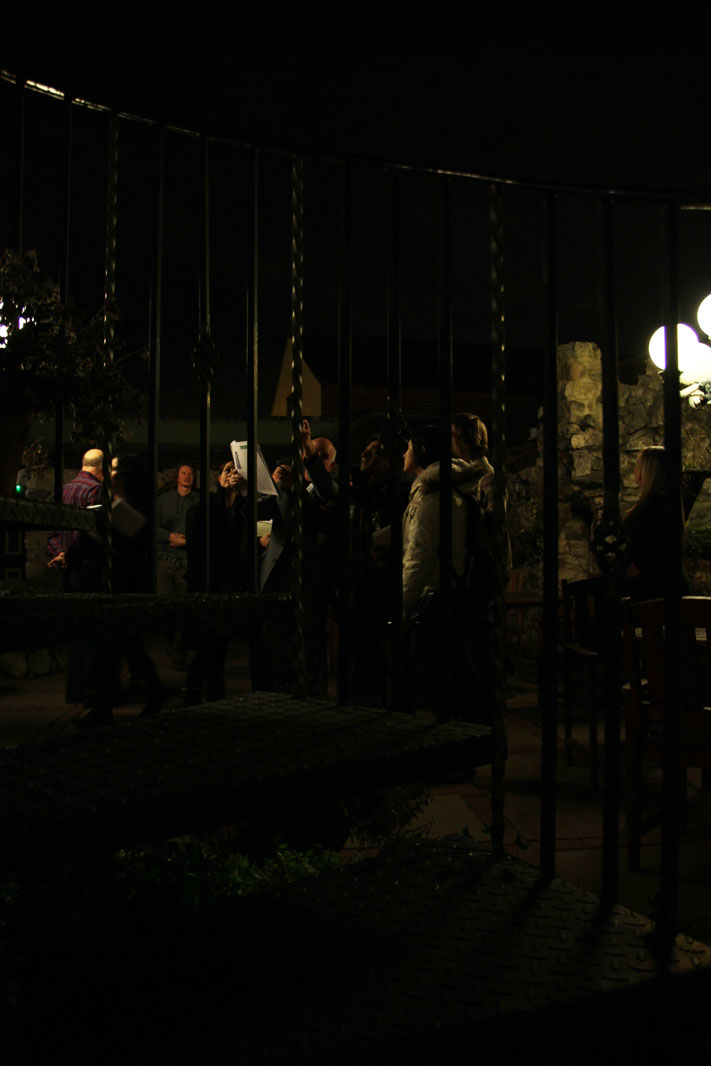
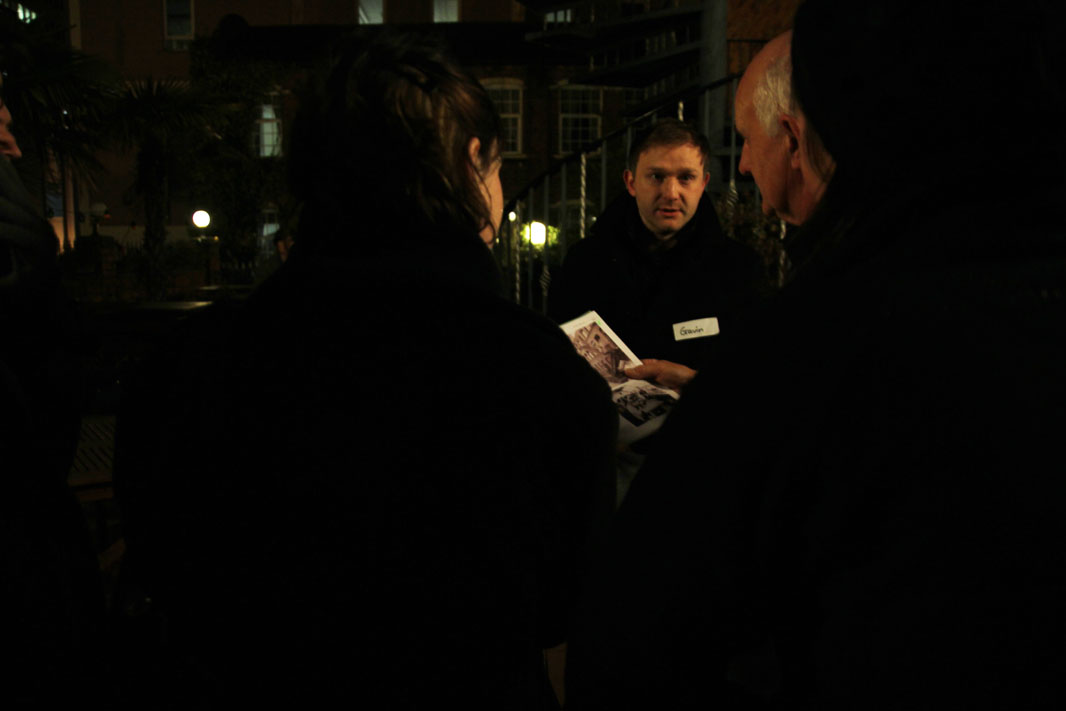
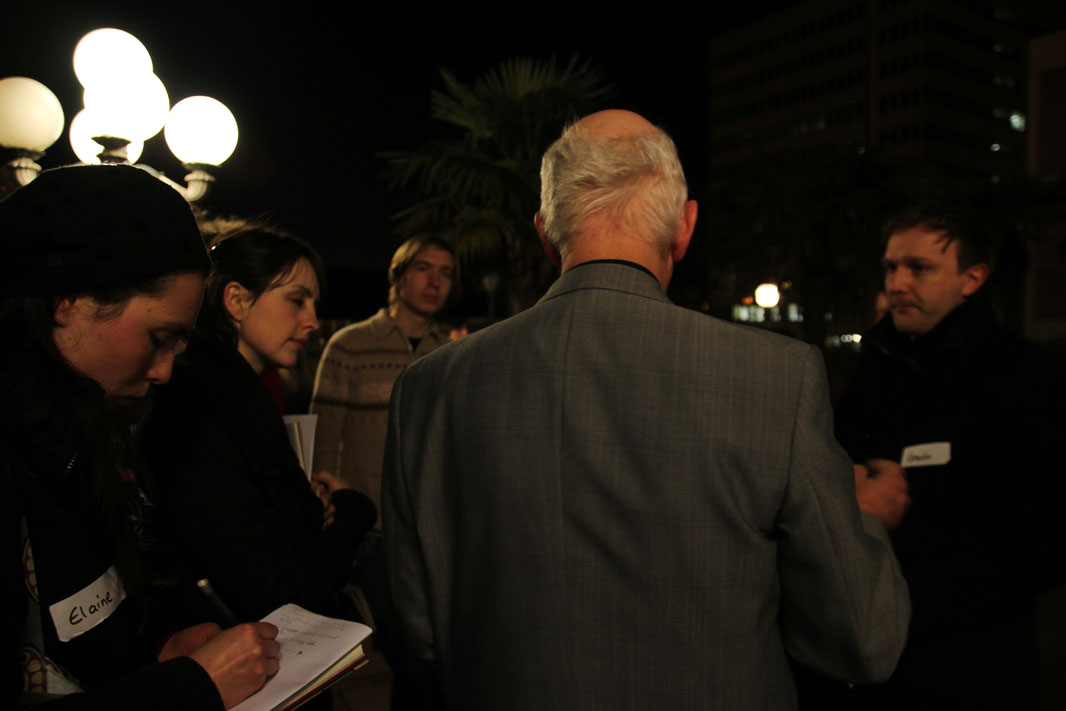
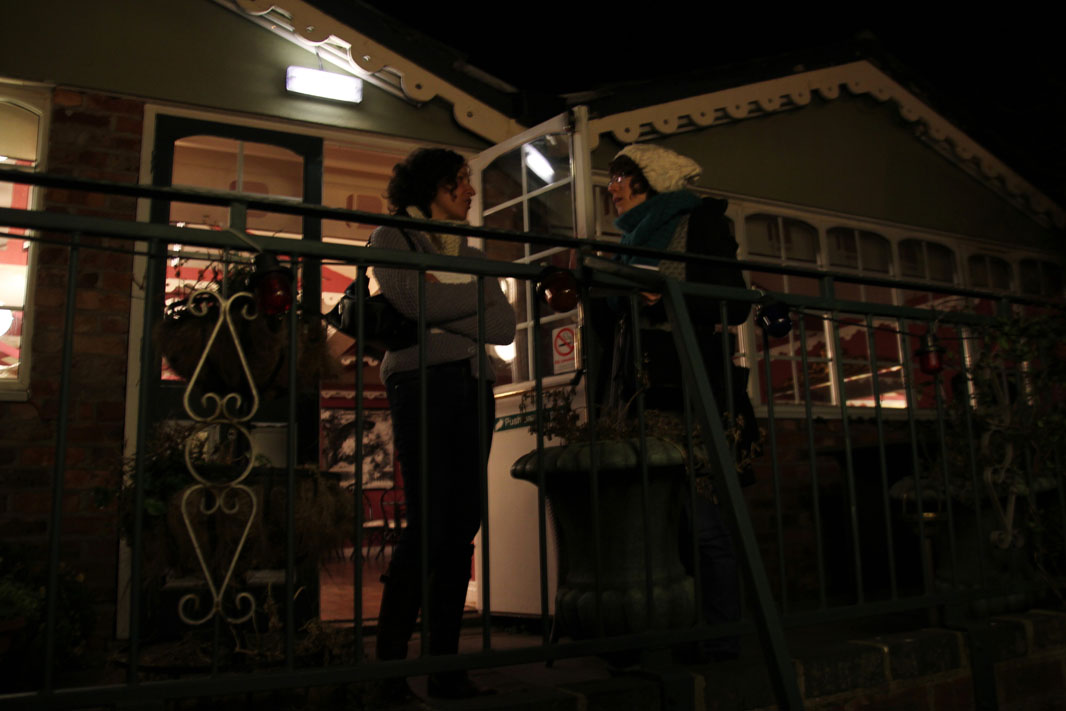
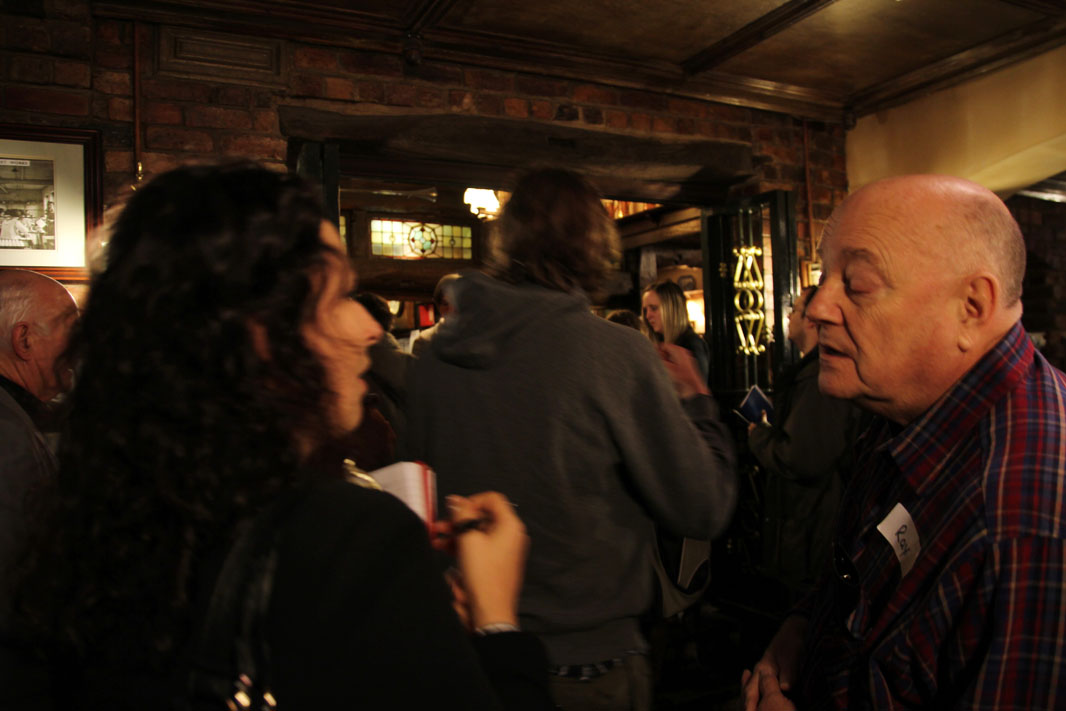
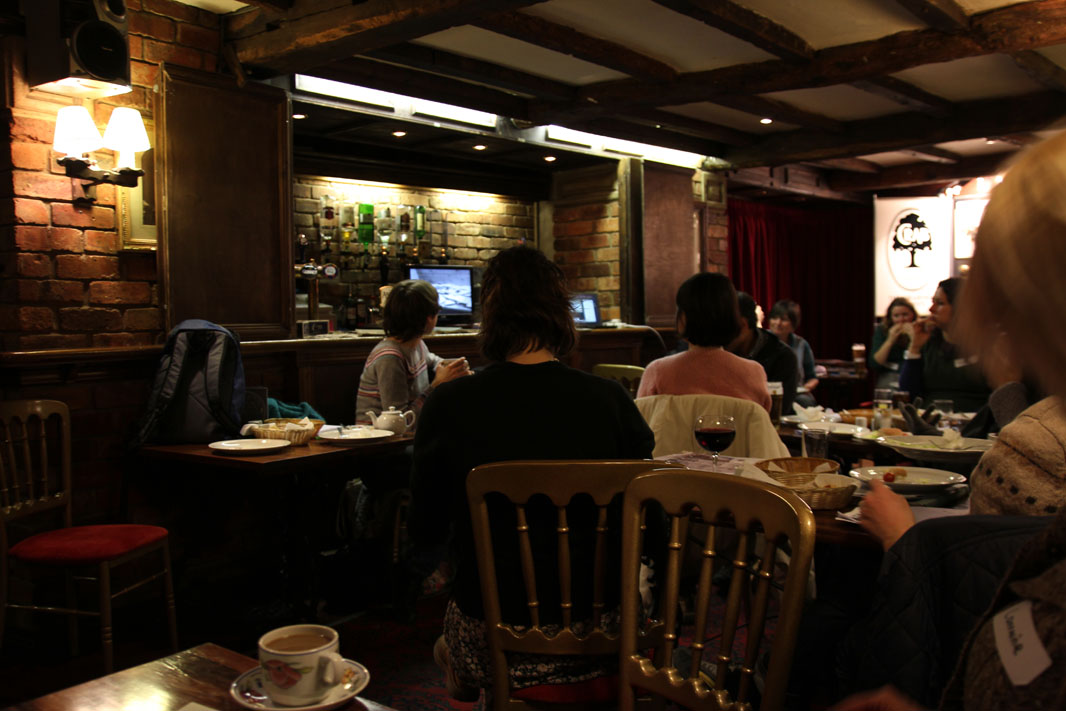
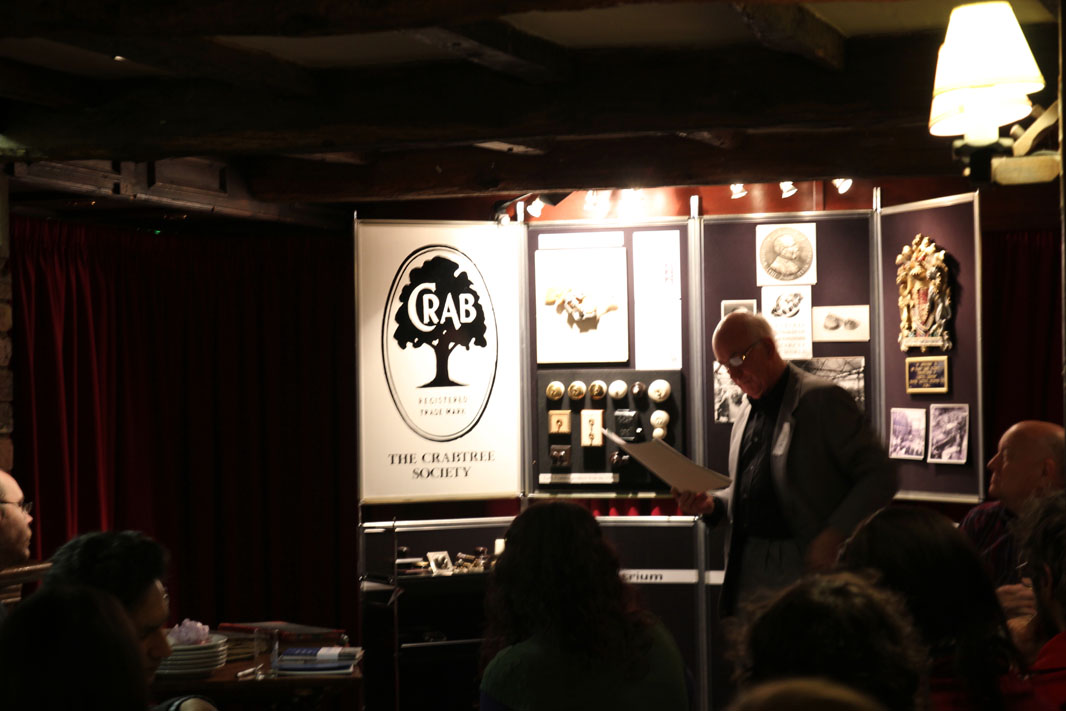
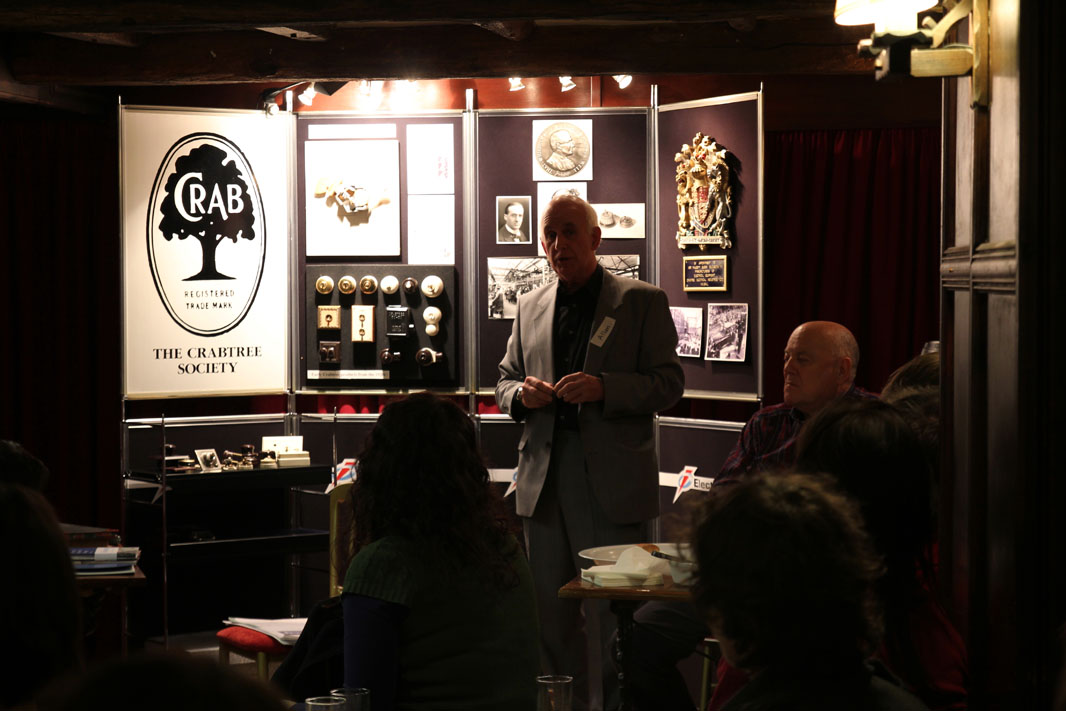
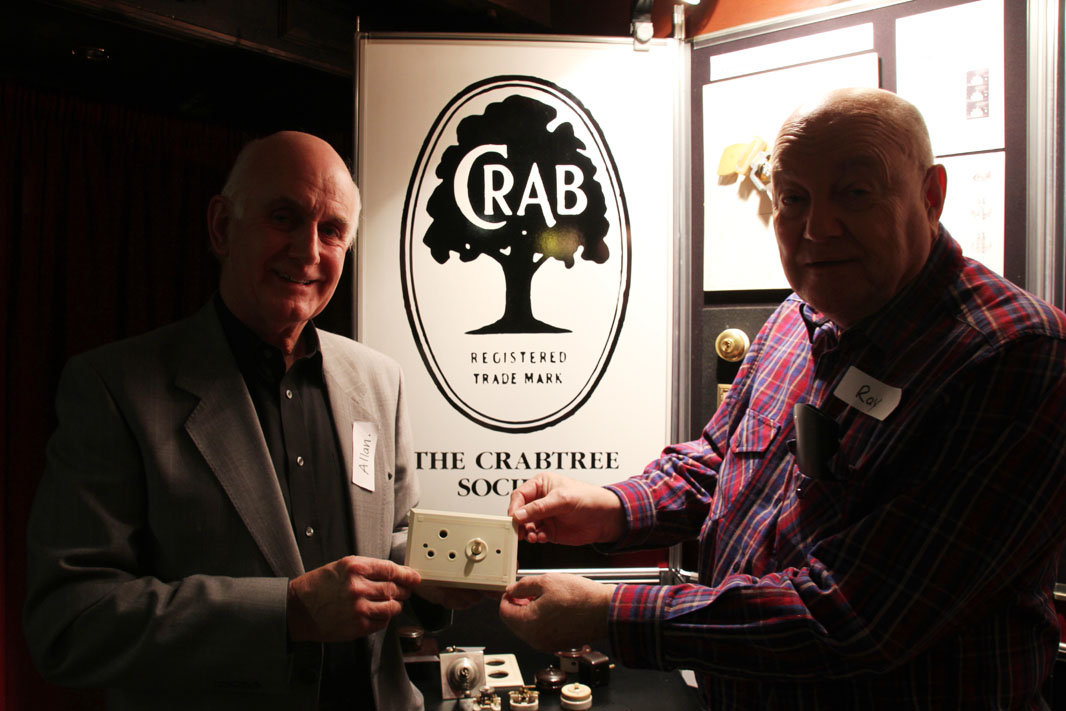
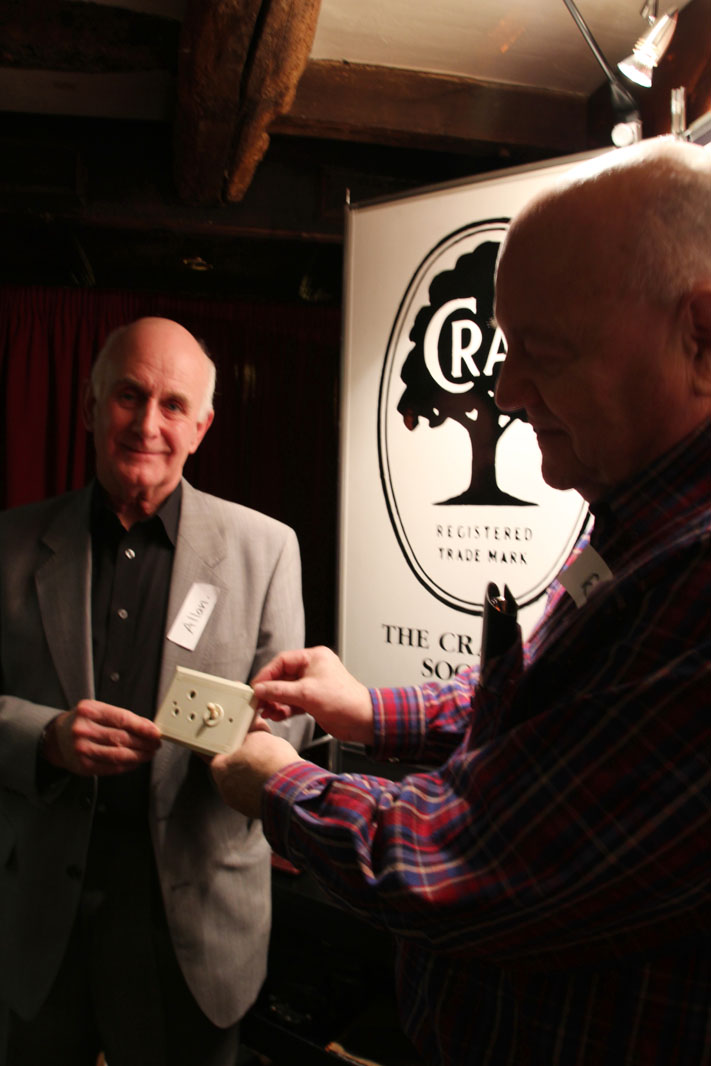
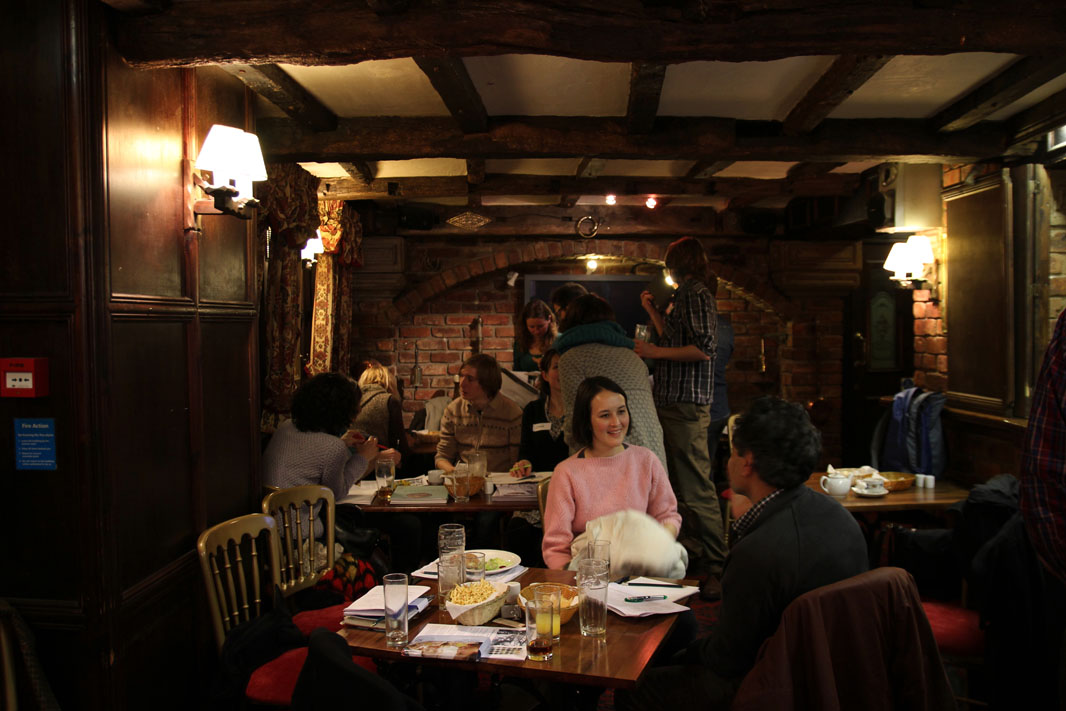
The night includes a guided tour of the now Lyndon House Hotel by Kelly, with access to the atmospheric bars, the beautiful secret garden and to the hotel room that it is believed to have once housed Mr J A Crabtree’s office. Allan Preston, the founder of The Crabtree Society, will be joining us to share his wealth of knowledge on the life and work of J A Crabtree and to showcase the Society’s vast collection of memorabilia. Also to be showcased on the night is a 1966 produced film entitled “A Factory Day” which was produced to encourage school levers to take a career in manufacturing. This is a wonderful professional produced film which was shown to school leavers nationally.
Finally The Crabtree Society’s 10 year project to write a book documenting the detailed history of the iconic factory, its products and its people will be published in the Spring of this year. A proof copy will be available for all to see.
This Factory Night is in partnership with Multistory, This event at the Lyndon House Hotel is made possible through the kind support of Ken Towe and Allan Preston of the Crabtree Society.
The Space inside Digital Signals
Factory Nights, Conversation & Process
Davy Smith
“The electric light is pure information. It is a medium without a message, as it were, unless it
is used to spell out some verbal ad or name. This fact, characteristic of all media, means that
the “content” of any medium is always another medium. The content of writing is speech, just
as the written word is the content of print, and print is the content of the telegraph.”
Marshall McLuhan, Understanding Media.
The former Crabtree Factory in Walsall is a space of our industrial history. Although now occupied
by the Lyndon House Hotel, the building still resonates with its industrial past. The Factory Night
organised within this building brought together creative practitioners to investigate its past as the
site where John Ashworth Crabtree designed and patented the first quick make and break switch.
Ironically, the complexity of Crabtree’s invention was one of reduction and simplification. His
switch design attempted to recreate digital logic in the physical, analogue world. Basically, the
peaking current levels during the switching on process are contained with little risk to the user. It
provides illumination instantly and neatly.
By using mechanical principles, Crabtree attempted to erase the levels in-between, providing a
simple method of supplying the most basic of products, light. It traverses from 0 to 1 abstractly and
without process.
In electronics, an ideal switch is just this, purely digital. Measurements, often expressed in binary
form (1 or 0), are treated as Boolean operations, either ON or OFF. Theoretically sound but, in
practice, impossible. It is the ultimate form of measurement and category, this or that, one or the
other.
Creative practice, however, cannot be categorised by digital means. Put simply, it would exist as
follows: An artefact of creative production, an object, resulting from a pure instant of conception.
Dealing with creativity in this way is to strip out process, surroundings, and any other multitude of
conditions that lie within.
In contrast to this, the analogue signal is one of infinite complexity. All values, no matter how
indistinguishable are recorded. However, a pure analogue signal also resides in theory. The concept
of measurement, by its nature, ensures that potentially infinite levels of resolution can never be
achieved in practice. Analogue signals tend towards a value, but never arrive. Patterns emerge and
can be understood, but they are always assumptions. In a digital system we get close enough to that
value and accept it.
Factory Nights resides in-between the binary logic of conception and completion – the spaces of
conversation and process. An event for which the whole purpose is to allow a space for discussion
and collaboration, remaining unrestrictive to potential outcome. Asymptotic to conception, Factory
Nights provides as few boundaries as possible, creating the situation and then withdrawing into the
background. It acts a catalyst, providing encounters and spaces for creative reactions to occur,
without polluting the discrete parts.
Artefacts are inevitably created from this process. Although they remain inexorably linked to
Factory Nights, they become separate entities in and of themselves. As the digital revolution
progresses, participatory events such as Factory Nights become increasingly important. Here,
collaboration is encouraged at its most fundamental level, that of discussion and speech. The
surroundings are unearthed to participants and creative conversation is established. The directions
that projects take after this point are unknown. There is great simplicity in this approach: Provide a
space for collaboration and see what happens!
Simplicity, however, should not be confused with lack of importance. In fact, creativity requires this
space in order to flourish. As our realities become increasingly virtual, curated forms of
participatory creative practice become ever more important.
24 October 2012 marks the end of analogue broadcasting in the United Kingdom. Along with the
rest of the World, there is a pure shift towards digital technology. The instantaneous dissemination
of information across vast geographical spaces is now a reality and often taken for granted.
However, one thing remains; the physical act of coming together within places of history cannot be
recreated through the extensions of man. For all our instant messaging, Skype and FaceTime we can
never replace the role of participation on a human level in creative production.